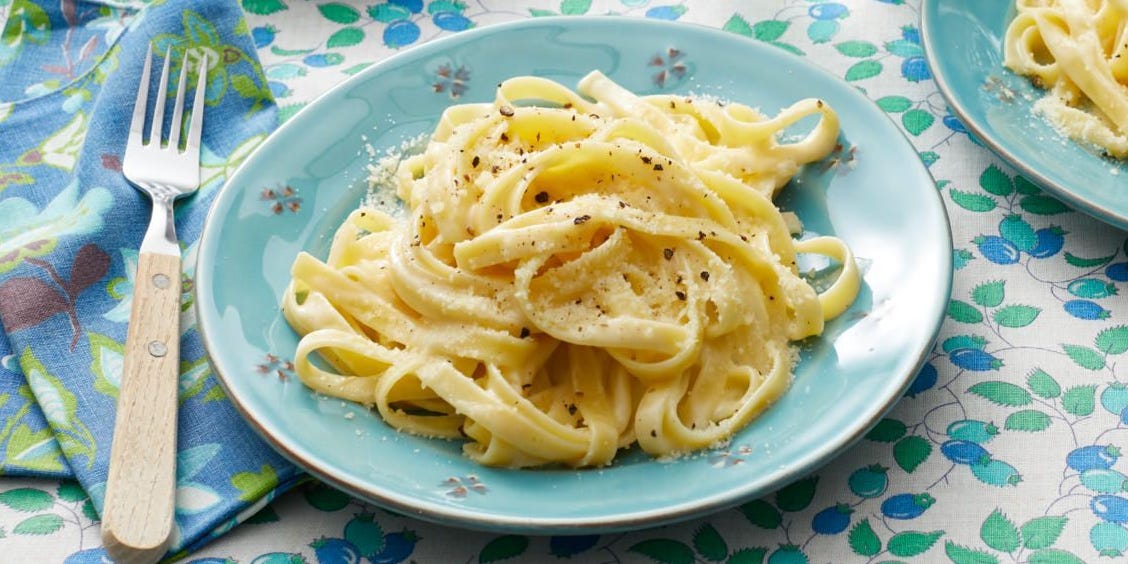
There's a reason why a truly perfect bowl of Alfredo pasta evokes such widespread joy. It’s more than just a sauce; it’s a luxurious, creamy embrace, a testament to simple ingredients coming together in harmony. While many store-bought jars promise convenience, the unparalleled richness and authentic flavor of homemade alfredo sauce are in a league of their own. And at the heart of achieving this culinary nirvana lie two indispensable components: freshly grated Parmesan cheese and full-fat heavy cream. This article will delve into why these ingredients aren't just preferences, but absolute necessities for crafting Alfredo that's silky, flavorful, and utterly unforgettable.
The Indispensable Role of Heavy Cream in Alfredo Sauce
Imagine a velvety river, flowing smoothly over your favorite pasta, each strand coated in pure, unadulterated decadence. This is the promise of alfredo sauce made with heavy cream. While some home cooks might be tempted to lighten things up with milk or half-and-half, doing so fundamentally alters the sauce's character and texture, often to its detriment.
Why heavy cream reigns supreme:
- Fat Content is Key: Heavy cream typically contains at least 36% milk fat, which is significantly higher than milk (around 3.25% for whole milk) or half-and-half (10-18%). This high fat content is crucial for two main reasons:
- Richness and Mouthfeel: The fat imparts that luxurious, indulgent mouthfeel that defines a great alfredo sauce. It coats the palate beautifully, leaving a satisfying sensation that lower-fat alternatives simply cannot replicate.
- Emulsification and Stability: Fat is a brilliant emulsifier. When combined with butter and cheese, the fat molecules in heavy cream help to create a stable emulsion, meaning the sauce remains smooth and doesn't easily separate. This is vital for achieving that desirable "hold" and depth.
- Texture and Body: Heavy cream naturally contributes to the sauce's body and thickness. It allows the alfredo to cling to pasta strands, rather than running off like a watery substitute. This means every bite delivers a full burst of flavor and creamy texture.
- Flavor Carrier: Fat is an excellent carrier of flavor. The rich dairy notes of heavy cream enhance the nutty, savory qualities of Parmesan and the aromatic punch of garlic, creating a more complex and satisfying taste profile.
Substituting heavy cream for milk might save a few calories, but it comes at the steep cost of authenticity, texture, and flavor. For an alfredo that truly sings, heavy cream is non-negotiable. It's the ingredient that ensures your sauce isn't just palatable, but truly unforgettable. For more insights on elevating your homemade dishes, discover how to Beyond the Jar: Experience Decadent Homemade Alfredo Sauce.
The Parmesan Principle: Why Freshly Grated Makes All the Difference
If heavy cream provides the luxurious base, then Parmesan cheese is undoubtedly the star of the show. Its distinctive nutty, salty, and umami-rich flavor is what elevates alfredo from a simple cream sauce to a culinary icon. However, the type and preparation of your Parmesan are critical to the sauce's success.
The cardinal rule: Use freshly grated Parmesan from a block.
- Texture Transformation: The most immediate and noticeable difference between fresh and pre-grated Parmesan is texture. Pre-grated cheeses, especially those in shaker containers, often contain anti-caking agents like cellulose. While harmless, these agents prevent the cheese from clumping together in the package but can wreak havoc in your sauce. They inhibit the cheese from melting smoothly, resulting in a grainy, clumpy, or gritty alfredo sauce. Freshly grated Parmesan, free of these additives, melts into a silky, cohesive dream.
- Flavor Intensity: A block of high-quality Parmesan (ideally Parmigiano-Reggiano, the king of cheeses) boasts a far superior flavor profile. It's aged, complex, and intensely savory. Pre-grated varieties, often exposed to air for longer, can lose some of their nuanced flavor, sometimes tasting dull or even slightly stale. Grating it yourself just before adding it to the sauce ensures maximum freshness and flavor impact.
- Optimal Melting and Emulsification: When finely grated from a block, Parmesan melts beautifully and integrates seamlessly with the warm butter and cream. Its natural oils and proteins contribute to the emulsification process, helping to thicken the sauce and give it that desirable smooth consistency without the need for flour or other thickeners. The sauce thickens naturally as the cheese melts and is stirred in. If your alfredo isn't quite thick enough, allowing it to stand for a couple of minutes before serving often does the trick, as the cheese continues to work its magic.
Don't underestimate the power of a microplane or a fine grater. Taking the extra minute to grate your Parmesan from a fresh block is arguably the single most impactful step you can take to elevate your homemade alfredo sauce from good to truly extraordinary. It’s an investment in flavor and texture that pays off handsomely.
Mastering the Method: Beyond the Core Ingredients
While fresh Parmesan and heavy cream form the bedrock of a perfect alfredo sauce, the supporting cast and proper technique are equally vital. A simple recipe with only a few ingredients means that each element must be chosen with care and handled with precision.
Unsalted Butter: Control Your Seasoning
Like many excellent sauces, alfredo begins with butter. Opting for unsalted butter is a smart move. This allows you complete control over the final salt content of your sauce. There's nothing worse than an overly salty alfredo, and different brands of salted butter can vary widely in their sodium levels. With unsalted butter, you can season to taste at the very end, ensuring a perfectly balanced flavor profile.
Fresh Garlic: The Aromatic Foundation
A little fresh garlic goes a long way in alfredo sauce, adding a beautiful aroma and depth without overpowering the delicate dairy and cheese flavors. The key is to finely grate or mince your garlic. This ensures it almost "dissolves" into the sauce, distributing its flavor evenly without leaving chunky bits. Whisking it into the warm cream and butter for a minute or so allows it to mellow and infuse the sauce without browning.
Subtle Seasonings: Enhancing, Not Masking
Traditional alfredo is famously simple, relying on the butter, cream, and cheese. However, a touch of salt, freshly ground black pepper, and perhaps a pinch of Italian seasoning can elevate the sauce. Remember to taste and adjust! Salt enhances all the other flavors, while pepper adds a subtle warmth. Italian seasoning can lend a hint of herbaceous complexity, but use it sparingly to let the main ingredients shine.
Gentle Heat and Constant Whisking
The cooking process for alfredo sauce is remarkably quick, typically 5-10 minutes, but requires attention. The initial step involves gently warming the butter and heavy cream in a large saucepan over low heat. The goal is to bring it to a gentle simmer, allowing the flavors to meld and the butter to fully incorporate, but never to a rolling boil. Boiling dairy can cause it to curdle or separate, resulting in a broken sauce. Constant whisking, especially when adding the garlic and seasonings, helps to create a smooth, homogenous base. When the Parmesan is added, continue to stir gently until it has completely melted and the sauce is smooth and glossy. This consistent movement encourages emulsification and prevents the cheese from clumping. If you're looking for an even quicker preparation, check out our guide on how to Whip Up Perfect Alfredo in Minutes: Your Easy Homemade Guide.
Elevating Your Alfredo Experience: History and Serving Suggestions
While we often think of alfredo sauce as a classic Italian dish, its journey from Rome to global popularity is quite fascinating. The original "Fettuccine Alfredo," conceived by Alfredo di Lelio in Rome in the early 20th century, was a much simpler affair: just fresh fettuccine, butter, and Parmigiano-Reggiano, tossed to create a creamy emulsion. It was American tourists, including silent film stars Mary Pickford and Douglas Fairbanks, who helped popularize it in the U.S., where it evolved into the richer, cream-based sauce we know and love today. This Americanized version, while departing from the original simplicity, offers a decadent culinary experience all its own.
Once you’ve mastered your perfect alfredo sauce, the serving possibilities are endless:
- Classic Pasta Dish: Toss it immediately with hot fettuccine, spaghetti, or penne. Garnish with extra freshly grated Parmesan and a sprinkle of fresh parsley.
- With Protein: Enhance your meal by adding grilled chicken, sautéed shrimp, or even seared scallops to your alfredo pasta.
- Vegetable Enhancement: Broccoli florets, spinach, or mushrooms can be easily incorporated for added flavor and nutrition.
- Winning Appetizer: Use it as a dipping sauce for warm breadsticks, a base for cheesy dips, or a rich topping for baked potatoes.
Remember that homemade alfredo sauce is best enjoyed fresh. Its rich composition means it doesn't always reheat perfectly without some care, though gentle warming with a splash of milk or cream can help revive it.
Conclusion: The Art of Authentic Alfredo
Crafting the perfect alfredo sauce is an accessible culinary art that rewards attention to detail and a commitment to quality ingredients. By understanding and embracing the critical roles of freshly grated Parmesan cheese and full-fat heavy cream, you unlock the secret to a velvety smooth, intensely flavorful, and truly decadent sauce that far surpasses any store-bought alternative. Couple these essential ingredients with proper technique – gentle heat, unsalted butter, finely grated garlic, and careful seasoning – and you’ll consistently create an alfredo sauce that is rich, creamy, and packed with an exquisite garlic-Parmesan flavor. So, put down the jar, pick up a block of Parmesan, grab that carton of heavy cream, and prepare to elevate your pasta nights to a whole new level of homemade deliciousness.
